
The Oxford Shirt: A Short History of Menswear’s Most Useful Shirt

Some clothes make a statement. The Oxford shirt simply makes everything else you are wearing look more intentional.
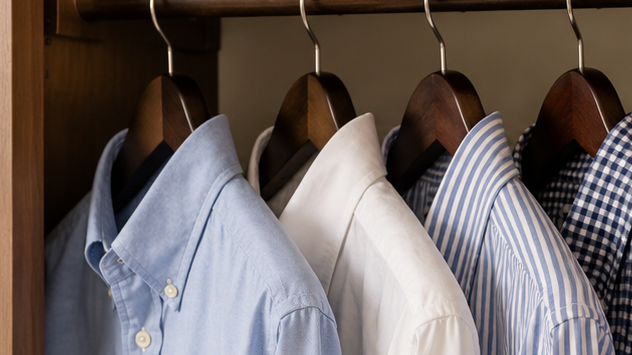
It sits comfortably between a T-shirt and a formal dress shirt. Wear one with chinos and loafers for dinner, under a crewneck sweater for a weekend away, or with dark jeans when the occasion is difficult to define. It looks mature without looking old—and polished without suggesting that you tried too hard.
That quiet versatility has kept the Oxford shirt relevant for well over a century.
Oxford Cloth and the Button-Down Collar Are Not the Same Thing
Before getting into its history, it helps to clear up one commonly confused detail.
“Oxford” describes the fabric. “Button-down” describes a collar whose points fasten to the shirt. They are not technically the same thing, although they have become closely associated.
An Oxford shirt can be made with a different collar, and a button-down shirt can be made from poplin, linen, flannel or another fabric. The classic version combining Oxford cloth with a button-down collar is commonly known as an OCBD (Oxford cloth button-down).
The Oxford cloth is what gives the shirt much of its character. Its basket-weave construction creates a visible texture that feels more relaxed than the smooth surface of a traditional dress shirt. It is also durable, breathable and inclined to become softer with wear.
That combination of structure and ease is the secret behind the shirt’s staying power.
From Scottish Mills to the Polo Field
The history of Oxford cloth is generally traced to a Scottish textile mill in the nineteenth century. According to the traditional account, the mill created four fabrics named for prominent universities: Harvard, Yale, Cambridge and Oxford. The other three eventually disappeared, while the Oxford weave became a popular shirting fabric. Sunspel’s history of the Oxford shirt describes the cloth as a durable basket weave with a distinctive, subtly textured appearance.
The familiar button-down collar followed a different path.
Polo players had begun fastening their collar points to keep them from blowing into their faces during a match. In 1896, John E. Brooks reportedly noticed the practice while watching polo in England. Brooks Brothers subsequently introduced its “Original Polo Button-Down” shirt in 1900, bringing the practical sporting detail into American menswear. Brooks Brothers recounts that history here.
A design intended to solve a minor annoyance on the polo field became one of the defining features of American style.
The Oxford Comes to America
Once paired with the button-down collar, the Oxford shirt found an especially natural home in the United States.
It was less formal than the stiff shirts associated with traditional European tailoring, but considerably more polished than workwear. That balance suited a developing American preference for clothing that was presentable, practical and comfortable.
The shirt became closely associated with collegiate and Ivy League style during the twentieth century. Students wore Oxford shirts with chinos, sweaters, loafers and softly tailored jackets—combinations that could move from a classroom to dinner without requiring an entirely different wardrobe.
Richard Press, co-curator of the Museum at FIT’s Ivy Style exhibition, described the classic Oxford button-down as a distinctly American adaptation of the British polo shirt. The Fashion Institute of Technology likewise identifies it as an important part of the American dress-up wardrobe.
By the second half of the century, button-down shirts, navy blazers and hand-knit sweaters had spread far beyond college campuses. They became central elements of the relaxed, polished style popularized by designers such as Ralph Lauren and Perry Ellis. The combination was familiar enough to be called preppy, but its best pieces were never limited to a single trend.
The Oxford endured because it was useful.
Why the Oxford Shirt Still Works
The Oxford shirt occupies a particularly valuable place in a modern wardrobe: it bridges the gap between casual and dressed up.
A smooth white dress shirt can feel too formal with casual pants. A polo can feel too relaxed for dinner. The Oxford lands comfortably between them.
Its texture takes some of the formality out of a collared shirt. The collar gives shape to the face and creates a clean line beneath a sweater or jacket. The fabric has enough substance to look good on its own but is still easy to layer.
Most importantly, it does not require an elaborate outfit.
An Oxford shirt, chinos and a good pair of loafers are enough. You can add a crewneck, quarter-zip or navy blazer when the setting calls for another layer, but the basic outfit already works.
That is what practical style should do: make getting dressed easier.
The First Three Oxford Shirts to Consider
There is no need to begin with a closet full of them. Three thoughtfully chosen shirts will cover an enormous number of situations.
1. Light Blue
The light-blue Oxford may be the most versatile shirt in menswear. It works with navy, khaki, brown, olive, gray and denim. It can be worn throughout the year and looks equally natural beneath a sweater or on its own with the sleeves rolled.
If you are buying only one Oxford, this is the place to start.
2. White
A white Oxford gives you the clean appearance of a white dress shirt with a little less formality. It pairs particularly well with a navy blazer, gray crewneck, dark denim or khaki chinos.
The texture keeps the combination from feeling overly corporate or ceremonial.
3. A Restrained Pattern
Once the blue and white options are covered, add a small gingham, university stripe or traditional plaid. The pattern should provide interest without taking over the outfit. Blue-and-white stripes and checks are especially useful because they work with nearly all the same pieces as a solid-blue shirt. Muted pink, green and burgundy patterns can add color while remaining easy to coordinate.
Five Reliable Ways to Wear One
Oxford Shirt With Chinos
This is the simplest smart-casual formula.
Pair a blue or white Oxford with khaki, stone, navy or olive chinos. Add brown loafers, moccasins or clean leather sneakers depending on the setting.
The shirt can be tucked for a sharper appearance or worn untucked if its hem is short enough to fall around the middle of the trouser fly.
Oxford Shirt Under a Crewneck
Allow the collar and a small amount of cuff to show, but avoid pulling too much of the shirt out beneath the sweater. A navy, gray, oatmeal or brown crewneck will work with almost any Oxford in a traditional color or pattern. This is an easy way to look more finished while remaining comfortable.
Oxford Shirt Under a Quarter-Zip
A quarter-zip creates a slightly more relaxed version of the sweater-and-shirt combination. Keep the zipper low enough for the collar to sit naturally rather than forcing it upright around the neck.
A navy quarter-zip over a blue, white, pink or subtle plaid Oxford works particularly well with khakis or dark denim.
Oxford Shirt With Dark Jeans
A textured Oxford is substantial enough to make sense with denim. Choose clean, dark or medium-wash jeans without heavy distressing and finish the outfit with brown leather shoes, boots or simple sneakers. This combination is ideal for casual dinners, day trips and weekend plans when a T-shirt would feel unfinished but a jacket would be unnecessary.
Oxford Shirt With a Navy Blazer
A white or light-blue Oxford and a navy blazer form one of the most dependable combinations in a man’s wardrobe. Chinos keep it relaxed. Gray trousers make it more polished. Dark denim gives it a modern, casual edge.
A tie is optional. In most social settings, leaving the collar open will feel more natural and contemporary.
How to Look Mature Without Looking Old
Classic clothing becomes dated when every part of the outfit is pushed too far in the same direction.
An Oxford shirt, highly pressed pleated khakis, a conservative blazer and shiny dress shoes can feel like a uniform from another era. The answer is not to abandon the shirt. It is to create some contrast.
Wear the Oxford with dark denim. Put it beneath a soft quarter-zip instead of a structured jacket. Roll the sleeves neatly. Choose loafers with a more relaxed finish or substitute a clean leather sneaker.
Fit matters as well. The shirt should follow the shape of the body without pulling across the buttons. The shoulder seams should sit near the edge of the shoulders, and the sleeves should end around the wrist bone.
Avoid extremes. A shirt that is excessively baggy can look careless, while one that is aggressively slim often looks less sophisticated rather than more.
The objective is not to appear younger or older. It is to look comfortable in well-chosen clothes.
What to Look for When Buying an Oxford Shirt
Price alone does not determine whether an Oxford shirt will be useful. Pay closer attention to these details:
A fabric with visible texture that feels substantial but not rigid
A collar large enough to sit properly beneath a sweater or jacket
Collar points that create a natural roll when buttoned
A fit that allows comfortable movement through the shoulders and chest
A hem length appropriate for how you plan to wear it
Buttons and stitching that feel secure
A color or pattern that works with trousers and sweaters you already own
Some Oxford shirts are designed primarily to be tucked, while shorter casual versions can be worn either way. Knowing how you intend to use the shirt will help you avoid paying for something that never quite works with the rest of your wardrobe.
The Stone & Maple Take
The Oxford shirt has survived changing dress codes because it has never relied on novelty.
It began as durable cloth, adopted a collar detail borrowed from sport and became a foundation of relaxed American style. Today it remains one of the simplest ways to look polished without feeling formally dressed.
Start with light blue. Add white. Then choose a stripe, gingham or plaid that works with the colors already in your closet.
Wear them with chinos, denim, sweaters, loafers and a navy blazer. Those few combinations will cover most of the situations in which a man wants to look mature, capable and comfortable—without looking old.
For more ways to build outfits around these pieces, see Eight Mature Outfits That Don’t Try Too Hard.

